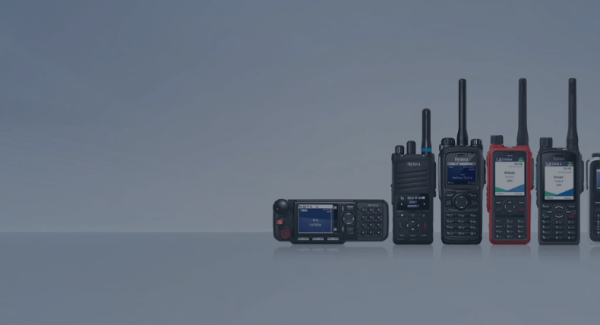
In this article, we explore some of the industries and environments where two-way radios really shine. From schools to hospitals, construction sites to retail stores, two-way radios help teams collaborate, coordinate, and respond swiftly.
The Value of Two-Way Radios
Two-way radios, also widely referred to as walkie-talkies, have been around for decades and continue to be a vital communication tool in many industries. Unlike mobile phones that rely on infrastructure such as cell towers or mobile phone masts, two-way radios use radio frequencies to enable direct communication between users. This makes them extremely useful in situations where cellular coverage is poor or when real-time, quick communication is critical.
Two-way radios offer several advantages over mobile phones. They are affordable, durable, have a long battery life, and ensure instant communication. Pressing a push-to-talk button connects you directly to other users on the same channel.
Two-way radios can be programmed to create channels and user groups, allowing teams to communicate directly with individuals or groups. This is ideal when you need to reach someone immediately without waiting for them to pick up a phone call.
Radios for Education
Two-way radios are a proven tool to increase safety, security, and coordination in educational settings, from primary schools to university campuses. The simple push-to-talk operation allows rapid communication between teachers, administrators, security teams, facilities staff, and emergency responders.
Radios allow teachers and staff to quickly contact each other, security personnel, administrators, and first responders. This enables real-time coordination and swift responses to developing situations. Teachers and other staff can call for assistance when dealing with medical emergencies, maintenance issues, or any other problems that arise.
Security teams and premises managers can rely on two-way radios to monitor campuses, manage incidents, and oversee property and grounds maintenance effectively. Radios provide direct communication without the need for mobile phones or switchboards.
Quick communication improves response time and enhances safety. In the event of emergencies like fires, accidents, or security threats, two-way radios allow staff to sound the alarm and initiate lockdown procedures in seconds. Radio networks keep everyone informed as situations unfold. This level of instant communication is critical for emergency management.
Hospitality, Venues & Events
Two-way radios provide several key benefits for the hospitality industry, including hotels, restaurants, casinos, resorts, and other venues, as well as for events. Efficient and timely communication between staff members is critical in these fast-paced environments.
Radios allow managers, servers, housekeeping, security, and other customer-facing teams to quickly coordinate with each other to address customer needs and requests. This rapid response significantly improves customer satisfaction.
For large events such as conferences, conventions, sporting events, or concerts, staff must work closely together. Radios allow event coordinators to update setup crews, waiters, parking attendants, security, A/V teams, and others with schedule changes, guest counts, or other logistics. Rapid communication ensures proper coordination and smooth operations.
During emergencies, radios enable security and managers to take control of situations by alerting first responders, directing guests and attendees, and communicating critical information. Overall, two-way radios are an indispensable tool for these industries to provide quality customer service and efficient operations.
Healthcare
Two-way radios provide numerous benefits for healthcare facilities and staff. They allow direct and instant contact between doctors, nurses, and other medical personnel, enabling rapid coordination and response times for patient care. This is especially critical in hospitals, where seconds can make the difference in emergency situations.
Radios allow staff to quickly summon assistance from colleagues without leaving a patient’s side. Nurses can radio for a doctor while continuing to monitor a patient’s vitals. Surgeons can request instruments or supplies during procedures without interrupting their work. This improves efficiency and outcomes.
Portable handheld radios enable mobile communication around large hospital facilities. Staff can be reached immediately, regardless of their location in the building, eliminating reliance on paging systems or trying to locate personnel by phone or other methods.
Communication is kept private and secure with radios, which is another key consideration. Conversations are not broadcast on loudspeakers for all to hear, protecting patient confidentiality.
Portability, security, and compliance features make two-way radios ideally suited for the demands of the healthcare industry.
Manufacturing
Two-way radios provide numerous benefits for manufacturing facilities and production floors. They enhance coordination and communication between managers, supervisors, and floor workers, particularly in large, hazardous, and often noisy warehouse settings.
Workers can quickly coordinate with each other, request assistance, clarify questions, and report problems. This facilitates greater collaboration and allows teams to address any issues on the floor immediately.
Two-way radios also improve safety procedures and awareness in manufacturing settings. Security personnel, first-aid responders, and managers can be alerted and dispatched rapidly, enabling faster emergency response times.
Real-time feedback and instruction prevent wasted time and materials. Production targets and throughput can be proactively managed, and if any bottlenecks arise, coordinating adjustments via radio keeps the manufacturing process flowing smoothly. This boosts efficiency and productivity.
Retail
Team communication is critical in retail settings. Staff can easily coordinate to handle customer requests, check prices, call for assistance, or notify each other of potential shoplifters or other security issues.
Instant communication improves customer service by enabling faster responses. Two of the key benefits of team communication for retail are:
Security & Theft Prevention
Prevent theft by discreetly monitoring suspicious activity and alerting colleagues if needed.
- Staff can call for backup during confrontations with aggressive customers.
Customer Assistance
- Help customers without leaving them unattended.
- Locate specific product sizes or request additional stock from the storeroom.
Construction
Large construction sites can span many acres, with personnel and equipment spread across the entire area.
Two-way radios enable instant communication to coordinate all workers and machinery. Foremen can directly contact machine operators, supervisors can speak with crews, and safety managers can connect with anyone on-site. This real-time communication is far faster than trying to locate people in person on a sprawling construction site.
Managers can provide direction on material deliveries, machinery movement, and task prioritisation. This allows construction teams to adapt and adjust smoothly based on evolving needs.
Radios also enable strict enforcement of safety protocols on construction sites. Managers can instantly alert workers to hazardous conditions or accidents to prevent injuries. All personnel can radio for help if an unsafe situation arises.
With their instant communication abilities, workers can coordinate rapidly without physical proximity, enabling large-scale projects to run efficiently and safely.
Security & Facilities Management
Direct communication between security guards is one of the biggest advantages of two-way radios. Radios allow guards to quickly contact each other, coordinate movements, and request assistance. This direct line of communication enables real-time collaboration and rapid responses to any incidents.
Security teams can also leverage two-way radios for enhanced monitoring. Radio systems can be integrated with security cameras, access control systems, and other security infrastructure. This allows guards to receive alerts and be notified of suspicious activity. Staff can communicate about potential threats and dispatch personnel immediately.
Radios also support remote monitoring. Security teams can check in with lone workers and guards on patrol across a large facility or campus. The instant and reliable communication ensures that guards react faster to emergencies and other issues, improving situational awareness and overall response effectiveness.
With robust radio systems, security teams can better protect people, assets, and property.
Conclusion
Two-way radios provide a range of benefits for businesses across many industries. As we’ve explored, they enable instant and direct communication, eliminating delays and misunderstandings that can occur with other methods.
Take a look at some of our case studies on our Industries pages to find out more, or contact one of our experts to discuss how 2826 can help your team communicate faster, smarter, and safer—regardless of your industry sector.